Dough, flour, starch and washdown moisture create two separate risks: food contamination and mechanical failure. By following a controlled cleaning sequence, recording condition-based inspections and using a documented service handover, you can release the line with evidence that it is safe, hygienic and ready for production.
Key takeaways
- Isolate electrical, pneumatic and stored mechanical energy before cleaning or opening guards.
- Record daily, weekly and monthly checks instead of relying on operator memory.
- Inspect die holes, cutter blades and extruder screws for wear before quality declines.
- Release the line only after service records, guards and test-run results are complete.
Isolate the line before cleaning or opening any guard
Safe pasta machine cleaning starts with a complete energy isolation, not the stop button. A moving cutter, pressurised line or trapped dough load can injure someone after the motor appears to be off.
- Stop production and notify everyone working on the line. Isolate and lock out electrical power, compressed air, hydraulic supply and other energy sources under your site’s lockout/tagout procedure.
- Release stored pressure and mechanical energy, secure cutters and rollers, and test the controls to confirm zero energy. Keep the keys with the authorised person performing the work.
- Remove guards only after isolation. Never reach through an opening to clear dough, and never defeat an interlock to make cleaning easier.
- Scrape or vacuum bulk flour and dough first. Do not use compressed air to disperse flour; it spreads contamination and can create a combustible dust cloud.
- Apply the approved detergent at its specified concentration, wash the hopper, mixer, kneader, die, cutter and conveyors, then rinse where the procedure requires it.
- Apply the approved sanitiser for its stated concentration and contact time. Use suitable water and follow the specified rinse so chemical residue does not remain on food-contact surfaces.
- Dry the machine fully, including behind dies, gaskets, guards and hollow rollers. Keep water away from motors, control panels, sensors and bearings unless the equipment is designed for that washdown.
Reinstall every guard and verify fasteners before removing locks. Record the cleaning, isolation and any damage found.
Use a daily, weekly and monthly maintenance checklist
Record each inspection against the machine serial number, operating hours, formulation and cleaning method.
A pasta machine maintenance checklist must separate food-safety release from mechanical maintenance: remove dough, flour, colour, allergen and seasoning residues; remove parts that require removal rather than wiping; then inspect or lubricate only after food-contact surfaces are cleaned, rinsed where required, sanitised and completely dry.
| Interval | Operators and maintenance staff should record |
|---|---|
| Daily | Hopper, mixer, kneader, barrel, die, cutter and conveyors free from retained product; changeover release completed; leaks, loose guards and damaged seals; motor current, product temperature, vacuum level, die pressure where fitted and output rate against a known-good baseline. |
| Weekly | Screw or auger flight edges, barrel bore, die holder, die face, cutter, vacuum seals and drive coupling; gearbox temperature; bearing noise or vibration; dried residue, corrosion, hard-water scale and moisture behind gaskets, guards or hollow rollers; corrective action and verification result. |
| Monthly | Operating-hour and production-cycle review; detailed wear findings, parts fitted and manufacturer replacement limits; electrical connections, sensors, panel seals, bearings and corrosion; approved descaling and rinse records; trend review for rising current, pressure, temperature or falling output. |
Treat the intervals as triggers, not fixed calendar promises. Multiple shifts, abrasive ingredients or frequent wet cleaning justify earlier die, seal, bearing and corrosion inspections.
A gradual rise in current or pressure at unchanged formulation and throughput can indicate die restriction, hydration change, friction or wear, so record the trend rather than marking only “machine ran.”
Inspect the extruder, die and cutter for early wear
A practical pasta extruder maintenance procedure checks wear and operating drift against a known-good baseline, not merely whether the line ran. At unchanged recipe and throughput, record motor current, gearbox temperature, bearing noise or vibration, vacuum level, product temperature, die pressure where fitted, and output rate.
A gradual rise in current or pressure signals restriction, hydration change, friction, or wear.
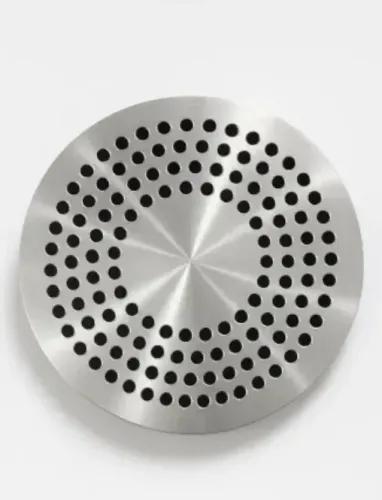
- Inspect screw or auger flight edges, barrel bore, die holder and die face for rounded flights, scoring, pitting, roughness, blocked holes, or a damaged die land. Treat pitting or cracks as a food-contact defect, not cosmetic wear.
- Check the cutter and drive coupling for wobble, loose fasteners, poor blade clearance and uneven cuts.
- Examine vacuum seals for leaks, cracks and dough trapped behind gaskets. Dry hidden spaces fully after cleaning.
- At recipe changes, remove retained dough, colour, allergen or seasoning from the hopper, extruder, die, cutter and conveyors; record the changeover release.
- Record the serial number, finding, corrective action, parts fitted and verification result. Use manufacturer replacement limits, not generic dimensions, and set intervals by hours, cycles, abrasive recipes, wet-cleaning frequency and condition.
| Symptom | What to inspect | Warning sign |
|---|---|---|
| Unstable extrusion or irregular strands | Flights, barrel, die land or vacuum | Wear or restriction |
| Die plugging or overheating | Die holes, product temperature and current | Friction or restriction |
| Higher current at unchanged output | Coupling, bearings, barrel and die | Mechanical drag |
Control lubrication, moisture and Noida’s operating conditions
Use only the lubricant specified for each component. Choose NSF H1 grease or oil where incidental food contact is possible, and confirm its operating temperature, viscosity and compatibility with seals before application. Never mix greases. Apply a measured quantity; excessive grease raises bearing temperature, damages seals and can reach food-contact surfaces.
A grease-gun stroke is not a reliable dose because guns deliver different amounts.
Pasta machine maintenance in Noida must treat each environmental threat separately:
| Risk | Protection | Inspection |
|---|---|---|
| Dust and flour | Keep motor cooling paths, panel filters and fan covers clear; replace blocked filters | Check overheating, restricted airflow and dust on terminal blocks |
| Humidity and condensation | Maintain enclosure seals and cable glands; use only the panel maker’s approved anti-condensation control | Look for corrosion, water tracks and damp insulation before energising |
| Washdown water | Keep water and wet compressed air away from motors, drives, sensors, panels, bearings and connectors | Check covers, gaskets and sensor plugs for leaks or failed ingress protection |
Clean food-contact parts first, then rinse where required, sanitise and dry completely before lubricating nearby components. Do not trap moisture behind dies, gaskets, guards or hollow rollers. Ask the electrical manufacturer how to clean the panel interior; water inside a terminal block can create an insulation fault days later.
Record lubricant grade, quantity, component and application date, then shorten the interval for multi-shift production, abrasive ingredients or frequent wet cleaning.
Choose service support with a documented production release
Require a signed production-release record before accepting repaired equipment back into the schedule. Choose pasta machine service in Noida that documents the work, returns every guard and interlock to its original condition, tests each emergency stop, and confirms that no tools, swarf, or loose fasteners remain inside the line.
Shan Engineerings Works can be assessed against the same handover evidence, not simply a promise that the machine powers on.
Ask the technician to record:
- Lubricant, detergent, and foreign-material checks, including inspection behind dies, gaskets, guards, and inside hollow rollers
- A controlled run using the actual recipe, or an approved substitute, with product temperature, die pressure, motor current, output rate, and abnormal noise recorded against a known-good baseline
- A changeover release confirming that the hopper, barrel, die, cutter, and conveyors are free from dough, colour, seasoning, and allergen residue, with removable parts identified and inspected
| Evidence | Acceptable release record | Reject the handover when |
|---|---|---|
| Safety | Guard, interlock, and emergency-stop test results | A guard is bypassed or an interlock is untested |
| Hygiene | Cleaning, drying, contamination, and changeover sign-off | The line only receives a visual wipe-down |
| Performance | Controlled product trial with measured results | The machine only powers on without producing verified product |
Related products
 | Pasta Making Machine A pasta-making machine is a device that automates the process of mixing, kneading, and shaping dough into various types of fresh pasta. View product → |
 | Pasta Making Machine Industrial Pasta Making Machine ₹800000 The 100KG/HR Automatic Pasta Making Machine is an advanced, continuous-production extruder engineered to deliver high-volume pasta output with... View product → |
Frequently asked questions
What must you isolate before cleaning a pasta machine?
Isolate electrical power, compressed air, hydraulic pressure and stored mechanical energy. Lock and tag each energy source, then verify zero energy before cleaning or opening a guard.
What belongs on a pasta machine maintenance checklist?
Daily checks cover cleaning, guards, leaks and unusual noise. Weekly checks cover fasteners, belts, sensors and lubrication points. Monthly checks cover alignment, electrical connections, wear measurements and safety devices.
Which parts need inspection during pasta extruder maintenance?
Inspect the extruder screw and barrel, die face and holes, cutter blades, drive coupling, seals and product-contact surfaces. Look for scoring, cracks, blocked openings, uneven cuts and dough leakage.
What should a documented production release include after service?
Record the work order, parts replaced, measurements, lubrication used, guard inspection, isolation removal, test-run results and the authorised person's release signature.
Related products
 | Noodle Making Machine The Noodle Making Machine by SHAN ENGINEERINGS WORKS is a high-performance, fully automatic machine designed to produce instant noodles, Hakka... View product → |
 | Pasta Making Machine Automatic pasta making machine The Automatic Pasta Making Machine is a high-performance, industrial-grade solution designed for continuous pasta production with maximum efficiency... View product → |
 | Pasta Making Machine Our Penny Pasta Making Machine is a heavy-duty, stainless-steel industrial pasta extruder designed for high-quality penny-shaped pasta production... View product → |
 | Pasta Making Machine The Macroni Making Machine from SHAN ENGINEERINGS WORKS is a high-efficiency, fully automatic pasta production solution designed for small to... View product → |
Keywords